A Guide to Commercial Polished Concrete

While specialty flooring and tiles like marble and granite can give your commercial building a special look and feel, the truth is that many property owners and managers are increasingly discovering that polished concrete is a safer and more durable choice. Retail stores, restaurants, office buildings, and even manufacturing facilities are refurbishing their concrete flooring with the help of professionals.
What Is Polished Concrete?
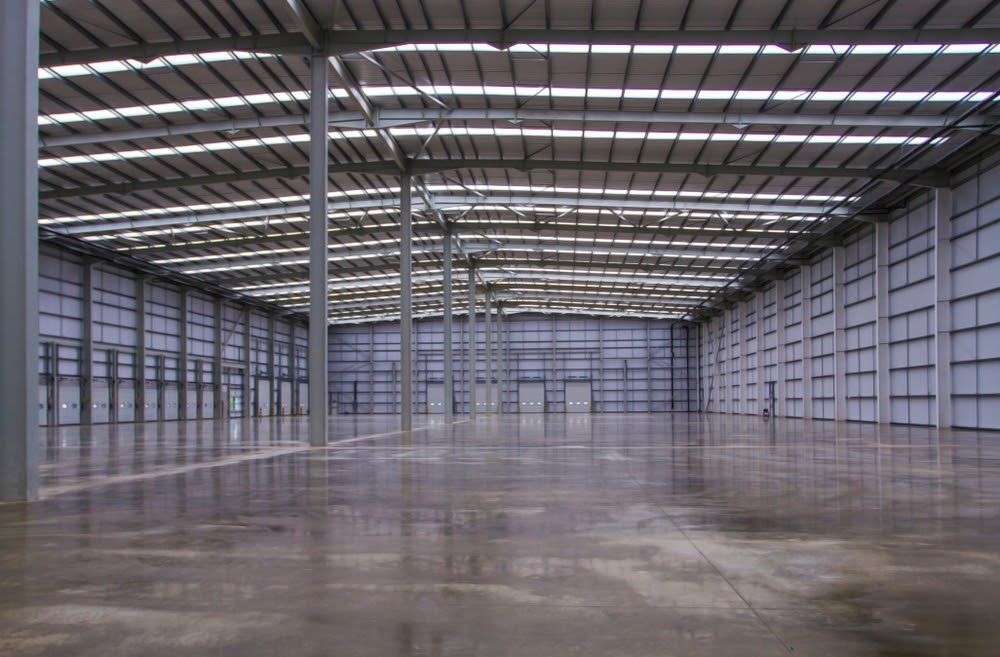
Polished concrete refers to concrete flooring surfaces ground down over the course of several phrases using special tools and equipment. The concrete surface is then treated with special chemicals that create a reaction that hardens and densifies the concrete and makes it dustproof.
The Benefits of Polished Concrete
The most obvious benefit of polished concrete flooring is that it’s durable and cost-efficient, but the list doesn’t stop there.
- Polished concrete flooring can be dyed to match the surrounding facility and looks professional and streamlined.
- After its sealed, the polished surface is durable and can be impenetrable to oil, water, chemicals, and staining.
- No more refinishing, re-waxing, or replacing — which means your polished concrete flooring requires less maintenance.
- When factoring in the cost of ownership over its lifetime polished concrete flooring costs far less than other specialty flooring systems.
- Polished concrete is sealed against contaminants seeping into the flooring which makes it cleaner and more hygienic.
- With the right professionals on the job, you can use polished concrete flooring soon after it’s installed, which reduces downtime for your business.
The Process of Polishing Concrete
Polishing concrete can be broken into two phases with several different steps each. It begins with concrete grinding, with a finer grit used each time to create a smooth, even surface. Next is the polishing, where a chemical densifier/hardener is applied and absorbed into the concrete. This is the step that makes it impermeable enough to withstand high traffic and surface stains or deterioration.
Polished Concrete Options
Another big benefit of polished concrete is that it’s fully customizable to meet your facility’s current branding and style. There are different colors, dyes, and textures that can be added to the polishing process to creating a striking look — think about these considerations:
Aggregate Exposure: Aggregate pieces are used on the concrete floor installation, and with the right polishing, your floors can reveal as little or as much as that aggregate as you like. This is an attractive, aesthetic option for spaces like office buildings or multifamily residential lobbies. However, aggregate exposure is not ideal for places like manufacturing facilities with heavy-duty equipment rolling through daily.
Gloss Level: Higher grit during the grinding process creates more of a shine in the polish of the finished surface. Glossier concrete is a great look, but these shinier, slicker polished surfaces are not ideal for commercial spaces that see a heavy volume of foot traffic as they could present a slip-and-fall risk when wet or slippery.

Coloring: There are six fundamental ways to color polished concrete:
- Integral – Performed at the time of pour and is considered environmentally friendly.
- Integral by seeding a cement/pigment mixture in the top region during power trowel finishing
- Penetrating Water Based Dyes – Performed during the polishing process and is considered environmentally friendly.
- Penetrating Solvent Based Dyes – Performed during the polishing process and is not considered environmentally friendly.
- Penetrating Acid Stain – Performed during the polishing process and is not considered environmentally friendly.
- Colored penetrating surface sealers which are also film-forming and thus produce a more solid color – Considered environmentally friendly
Call In the Commercial Painting Pros
Floor refurbishing and concrete polishing is an important service that is overlooked by many commercial building owners and property managers. Our professional services include floor staining, coating, and polishing for commercial, industrial, and high-end residential projects.
Our team treats every project with professionalism and dedication to premium work at a competitive price. SmithPro Commercial Painting's work is high-quality and long-lasting. If you want your floors to look shiny and presentable, consider giving us a chance. Our concrete floor polishing outlasts our competitors by years. We communicate well and listen attentively to your specific needs.